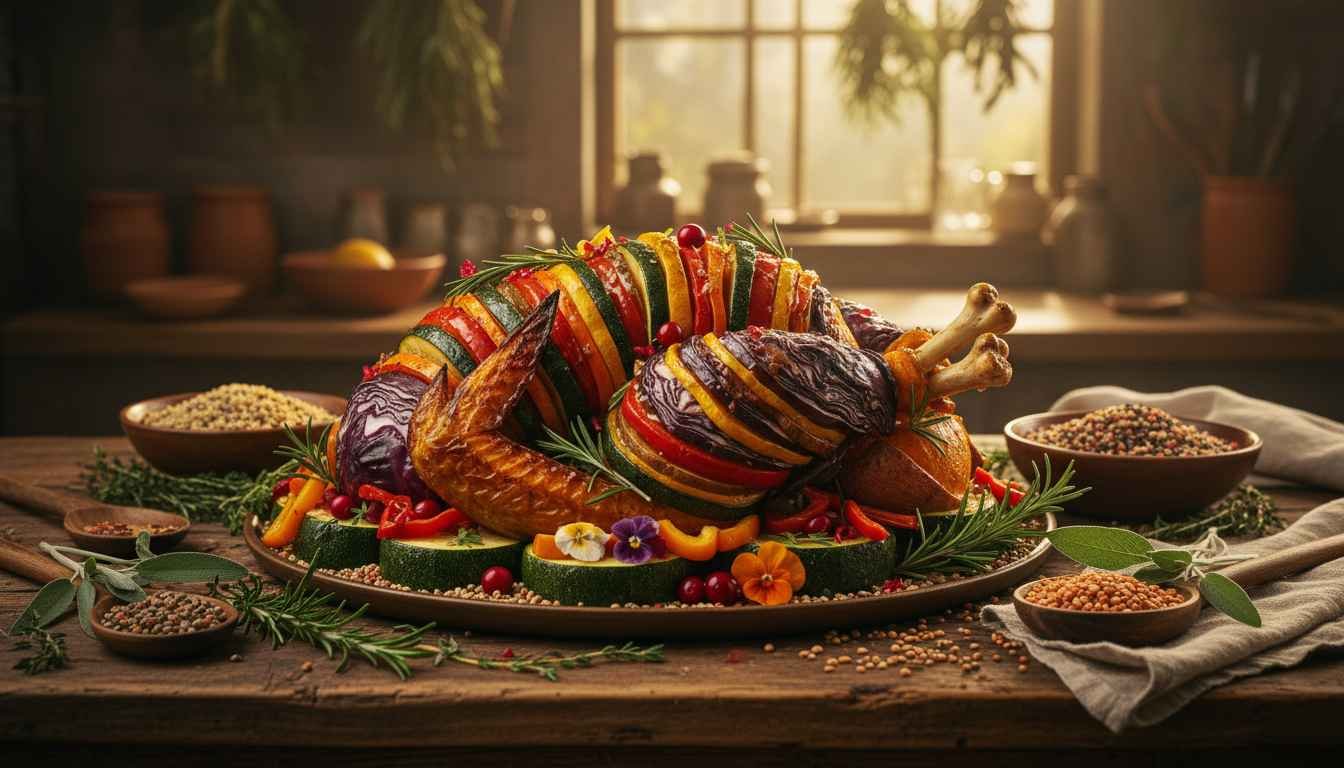
Imagine stepping into a bustling street market where the air is thick with the aroma of sizzling spices, freshly baked bread, and sweet confections. The vibrant colors of fruits and vegetables catch your eye, and the sounds of bartering and laughter fill the air. This is not just a market; it’s a window into the soul of a community. Food, in its myriad forms, is more than sustenance; it’s a reflection of history, tradition, and identity. By delving into local cuisines, we embark on a sensory journey that unveils the stories of people, places, and cultures.
The Sensory Journey Begins: Tasting the World
Every dish tells a story. The rich, earthy flavors of a Moroccan tagine speak of centuries-old trade routes and cultural exchanges. The delicate balance of sweet and savory in a Thai curry reflects the harmony sought in Buddhist philosophy. By tasting these dishes, we don’t just savor ingredients; we experience the essence of a culture. Each bite is a narrative, a connection to the land, the people, and their history. Through food, we can travel the world without leaving our seat, experiencing the diversity and richness of global traditions.
Beyond the Plate: Understanding Cultural Significance
Food is deeply intertwined with cultural practices and beliefs. In many societies, meals are communal events that strengthen bonds and reinforce social structures. For instance, the Japanese tea ceremony is not merely about drinking tea; it’s a spiritual experience that emphasizes harmony, respect, purity, and tranquility. Similarly, the sharing of a meal during Ramadan is a profound act of community and faith. By exploring these practices, we gain insights into the values and priorities of different cultures, fostering empathy and understanding.
Local Markets: The Heartbeat of Cultural Identity
Visiting local markets is one of the most authentic ways to experience a culture. These vibrant hubs are teeming with fresh produce, artisanal goods, and the energy of daily life. In the souks of Morocco, the air is filled with the scent of spices like cumin, saffron, and cinnamon. In the markets of Bangkok, the sight of vendors skillfully preparing pad Thai and mango sticky rice is a testament to culinary expertise passed down through generations. These markets are not just places of commerce; they are living museums that showcase the traditions, skills, and stories of a community.
Cooking Classes: Hands-On Cultural Immersion
Participating in a cooking class offers a hands-on approach to understanding a culture’s culinary traditions. Under the guidance of local chefs, you learn to prepare dishes that have been perfected over generations. In Italy, you might knead dough for fresh pasta, while in India, you could grind spices for a flavorful curry. These classes provide more than recipes; they offer a deeper appreciation for the techniques, ingredients, and cultural significance behind each dish. It’s an immersive experience that connects you to the heart of a culture.
Food Festivals: Celebrating Culinary Heritage
Food festivals are vibrant celebrations of a culture’s culinary heritage. They bring together diverse communities to showcase traditional dishes, cooking methods, and culinary innovations. In Spain, the La Tomatina festival is a lively event where participants engage in a friendly tomato fight, symbolizing the country’s zest for life and communal spirit. In India, the Diwali festival features an array of sweets and snacks that hold symbolic meanings and reflect the country’s rich culinary diversity. Attending these festivals allows you to experience the joy, creativity, and unity that food brings to communities.
Documentaries and Podcasts: Exploring Food Narratives
In today’s digital age, documentaries and podcasts offer a window into the world of food and culture. Shows like “Chef’s Table” on Netflix delve into the lives of renowned chefs and their culinary philosophies, providing insights into the cultural influences that shape their creations. Podcasts such as “Gastropod” explore the science and history behind food, uncovering fascinating stories that connect cuisine to culture. These media platforms allow us to explore food narratives from the comfort of our homes, expanding our understanding of global culinary traditions.
Food as a Tool for Social Change
Food has the power to drive social change. Movements like “Slow Food” advocate for sustainable farming practices, preservation of biodiversity, and the celebration of local cuisines. By supporting these initiatives, we contribute to the protection of culinary traditions and the empowerment of local communities. Food can also be a platform for raising awareness about social issues. Campaigns that highlight food insecurity, fair trade, and ethical sourcing encourage consumers to make informed choices that align with their values, fostering a more just and equitable food system.
Embarking on Your Culinary Exploration
Embarking on a culinary exploration is an enriching journey that broadens your horizons and deepens your appreciation for cultural diversity. Start by seeking out local ethnic restaurants in your area; these establishments often serve authentic dishes prepared by individuals passionate about their heritage. Attend food festivals and cooking classes to engage directly with culinary traditions. Listen to podcasts and watch documentaries that delve into the stories behind the food. As you explore, approach each experience with an open mind and a curious palate, ready to savor the flavors and narratives that each dish offers.
Don’t let the opportunity to discover the world through food pass you by. Every meal is a chance to connect with a culture, learn its history, and appreciate its traditions. So, take that first step – taste the world, and let food be your guide to understanding and celebrating the rich tapestry of human cultures.
If you dream of exploring global cuisines without breaking the bank, understanding the pediatric education requirements can help you budget wisely while enjoying authentic dishes from various cultures.