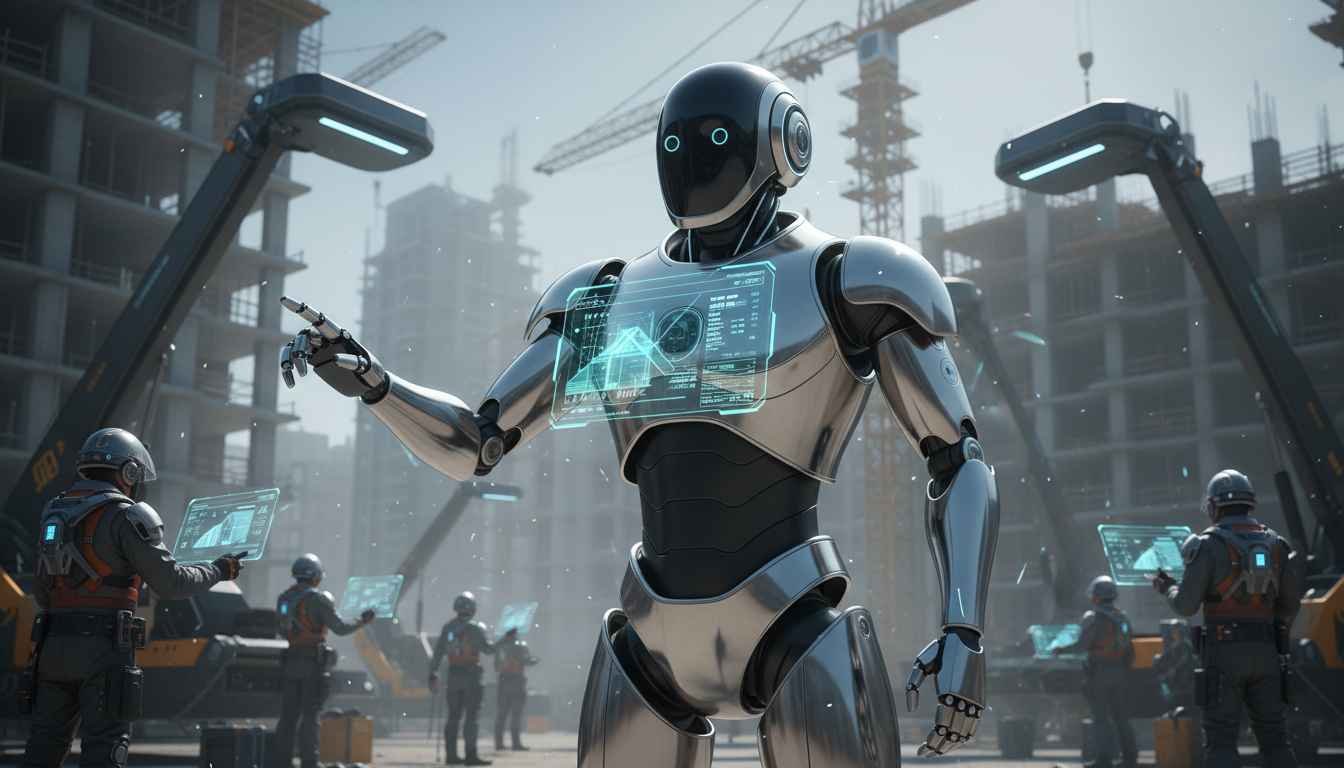
The Rapid Digital Shift in Education: Why You Can’t Afford to Wait
In an age when every second counts, the educational landscape is shifting at lightning speed. Classrooms that once echoed with the scratch of chalk now hum with the quiet glow of screens. This transformation is not coming – it’s already here. Those who fail to adapt risk being left behind in a world powered by innovation, data, and connectivity. The urgency is tangible: teachers, administrators, and parents must embrace the technological revolution if they want students to thrive in an increasingly competitive global economy. This isn’t just about gadgets or apps – it’s about unlocking the boundless human potential that technology can amplify. The story of Kevin Plank education exemplifies this evolution. Plank, the visionary behind Under Armour, attributes much of his innovative mindset to his ability to think critically and leverage technological advancements. He understood early on that technology isn’t just a tool; it’s a catalyst for deep learning and transformative thinking.
Every day, new technologies emerge that redefine what it means to learn, collaborate, and solve problems. Artificial intelligence, virtual reality, machine learning, and data analytics are no longer reserved for scientists or engineers – they’re becoming integral to classrooms from primary schools to universities. Students equipped with these tools gain a critical advantage: they learn to analyze, predict, and innovate faster than ever before. The race to stay relevant in education is no longer optional; it’s survival. Institutions that delay digital transformation risk fading into irrelevance. The time to act is now – before your students miss the opportunities that will define the next generation of leaders, creators, and visionaries.
Technology as the New Engine of Cognitive Growth
Technology isn’t just reshaping education – it’s reprogramming how students think. When used strategically, it can train the brain to analyze complex systems, identify patterns, and approach problems from fresh perspectives. Interactive simulations, for instance, immerse students in lifelike scenarios where they must make split-second decisions, developing not only logic but emotional intelligence. This combination fosters powerful cognitive growth that traditional methods simply cannot replicate. The integration of platforms inspired by the principles of Kevin Plank education has shown measurable success. Plank’s belief in the synergy between discipline, data, and creativity perfectly mirrors what technology brings to the classroom – a seamless blend of structure and innovation.
Imagine a student exploring environmental sustainability through virtual reality, walking through melting glaciers, witnessing the consequences of climate inaction firsthand. Suddenly, learning isn’t theoretical – it’s visceral. This immersion fosters deep empathy and critical thought, urging students to devise practical, data-backed solutions. The more senses engaged in the learning process, the more permanent and meaningful the knowledge becomes. This is the kind of mind-expanding potential that institutions across the globe are racing to harness. The future belongs to those who embrace this digital shift wholeheartedly, transforming curiosity into capability and imagination into innovation.
Artificial Intelligence: The Invisible Mentor Behind Every Great Thinker
Artificial Intelligence (AI) is no longer science fiction; it’s the silent mentor shaping modern education. AI tools are revolutionizing how teachers personalize learning experiences. With predictive analytics, algorithms can anticipate a student’s weaknesses before they even surface, providing tailored exercises that strengthen problem-solving skills in real time. This adaptive feedback loop empowers students to master concepts faster, while educators can focus on mentoring rather than monotonous grading. Through technologies that echo the entrepreneurial rigor of Kevin Plank education, AI fosters resilience and self-driven learning. Plank’s approach to innovation – using data to make smarter decisions – parallels how AI refines educational pathways, ensuring no student gets left behind.
In digital classrooms equipped with AI, learning becomes a dialogue rather than a monologue. Chatbots guide learners through complex theories, while machine learning tools recommend content that aligns with their cognitive patterns. The result is not just smarter students, but more independent thinkers who know how to question, analyze, and synthesize. The urgency to integrate AI is immense; every semester lost to outdated systems is a missed opportunity to cultivate tomorrow’s trailblazers. Those who harness AI in education today will lead industries tomorrow. The data proves it – AI-enhanced learners demonstrate higher retention, stronger analytical thinking, and more agile adaptability. The time to integrate is now, before the educational divide widens irreversibly.
Gamification and the Psychology of Engagement
Gamification is the secret sauce turning traditional classrooms into arenas of excitement and discovery. When technology infuses learning with interactive, game-like challenges, students don’t just absorb information – they live it. Imagine students solving algebraic equations to unlock virtual landscapes, or competing in global sustainability challenges using data visualization dashboards. The rush of achievement, the dopamine-triggered satisfaction of progress – these are not gimmicks; they are powerful psychological motivators driving deep learning. Following the mindset championed by Kevin Plank education, gamified learning merges discipline with passion, transforming study sessions into dynamic journeys of exploration.
Teachers using gamification report dramatic surges in participation and comprehension. Instead of dreading lessons, students crave them. The sense of urgency and reward creates an addictive learning cycle that stimulates critical thinking organically. Gamified platforms demand strategic planning, collaboration, and reflection – skills vital for real-world problem-solving. As global competition intensifies, institutions that integrate gamification position themselves ahead of the curve, attracting tech-savvy learners hungry for engagement. This is not a passing trend; it’s the new gold standard of education. Missing this movement now means missing the opportunity to connect with the digital-native generation – a generation that refuses to learn passively.
Data-Driven Learning: Turning Insights into Action
Data is the new oil, and in education, it fuels transformation. Every click, quiz, and discussion generates valuable insights into how students learn and think. Educators leveraging these analytics can refine curricula with surgical precision, ensuring that teaching strategies align perfectly with student needs. It’s a revolution that echoes the entrepreneurial spirit of Kevin Plank education – using measurable data to drive consistent improvement. Plank’s success was built on feedback loops, performance tracking, and relentless iteration, and now, these same principles are empowering schools to optimize student outcomes like never before.
Through dashboards and learning analytics systems, teachers can identify learning gaps instantly, providing interventions before failure takes root. Students can visualize their own growth, fostering self-awareness and accountability. This real-time visibility creates urgency – no one wants to fall behind when progress is transparent. The institutions implementing data-driven strategies are already witnessing massive gains in engagement, retention, and satisfaction. In a world obsessed with personalization, data ensures education stays relevant, agile, and impactful. Those who resist data-driven reform will soon find themselves unable to compete with tech-forward institutions that promise measurable, life-changing results.
Virtual Reality and Augmented Reality: Seeing is Believing
Virtual Reality (VR) and Augmented Reality (AR) are tearing down the walls of traditional education, transporting students into worlds where learning is lived, not memorized. Picture a history lesson where learners walk the streets of ancient Rome, or a chemistry class where molecules dance and interact before their eyes. This sensory immersion creates unforgettable experiences that burn knowledge into long-term memory. The inspiration aligns perfectly with Kevin Plank education, where experiential learning and innovation converge. Just as Plank transformed athletic wear by merging science and imagination, VR and AR transform classrooms by blending realism and creativity.
The fear of missing out has never been more real – institutions slow to adopt immersive technologies risk losing their competitive edge. Students now demand experiences that stimulate, challenge, and inspire. The tactile, 360-degree nature of VR fosters deep understanding by allowing learners to explore, fail, and try again in risk-free environments. This hands-on practice nurtures the kind of problem-solving and critical analysis that employers crave. The world is already embracing immersive education – universities and training centers across the globe are integrating AR-powered anatomy studies, architectural design simulations, and interactive storytelling. The message is clear: the future of learning is virtual, and it’s unfolding now.
Cybersecurity, Trust, and Digital Responsibility in Learning
As education becomes increasingly digital, the responsibility to protect data, privacy, and intellectual property grows exponentially. Schools that fail to secure student information face not only reputational risk but legal consequences. Robust cybersecurity measures are no longer optional; they are a moral imperative. Leading educators inspired by Kevin Plank education recognize that trust and transparency are foundational to any successful learning ecosystem. Just as Plank built a trusted global brand through authenticity and integrity, schools must safeguard digital trust by implementing end-to-end encryption, verified authentication systems, and responsive cybersecurity protocols.
Parents, students, and stakeholders are demanding accountability. They want proof that digital platforms are licensed, secure, and compliant with global standards. Institutions that provide this reassurance instantly elevate their credibility. Furthermore, teaching digital citizenship is as essential as teaching math or science. Students must learn to navigate the online world responsibly, protecting their identities and understanding ethical data use. In this race toward digital excellence, trust becomes the ultimate currency. Schools that prioritize cybersecurity send a powerful message: education is not only innovative but also safe, verified, and future-ready.
The Entrepreneurial Mindset: From Learner to Leader
Education powered by technology doesn’t just create better students – it creates future leaders. The entrepreneurial spirit embedded in Kevin Plank education emphasizes resilience, adaptability, and vision. Plank’s journey from a university athlete to a billion-dollar entrepreneur underscores how education infused with technology can spark innovation that changes industries. When students are exposed to entrepreneurial thinking through digital platforms, they learn to identify opportunities, analyze risks, and build solutions from the ground up. It’s not just about coding or algorithms; it’s about cultivating a mindset that thrives on challenge and disruption.
Project-based learning, digital incubators, and collaborative online workspaces are incubating tomorrow’s trailblazers today. The sense of urgency is palpable – every moment spent without fostering this mindset is a missed opportunity for transformation. Students equipped with entrepreneurial tools graduate ready to lead, not follow. They understand the value of initiative, creativity, and calculated risk. The future of work demands this type of thinker – adaptable, innovative, and fearless. Schools that integrate entrepreneurial education now will produce the disruptors who redefine industries tomorrow.
The Call to Action: Build the Future Now
The window of opportunity is closing fast. Institutions, educators, and policymakers must act now to embed technology into every layer of education. The rewards are staggering – students who can think critically, solve problems creatively, and adapt instantly will shape the world’s future. The lessons of Kevin Plank education make one thing clear: innovation favors the bold. Waiting for change is no longer an option; the transformation is happening in real time. Those who move decisively will reap the benefits of engaged learners, empowered educators, and a globally competitive curriculum. Those who hesitate will watch the future pass them by.
If you want to stay ahead, start by exploring trusted platforms, verified learning technologies, and secure digital ecosystems that offer measurable outcomes. Look for responsive customer service, verified payouts, and transparent licensing to ensure reliability. Visit Kevin Plank’s official site to discover how education and innovation intertwine to forge lasting impact. The next era of education is not just about access – it’s about acceleration. Don’t wait for the revolution. Be the revolution.
If you want to understand the profound impact of digital literacy on enhancing critical thinking and analytical skills, explore the initiatives of the lilly education foundation that foster these essential abilities in learners.
If you want to explore effective strategies, consider how medicare educators can play a pivotal role in guiding students towards the responsible use of technology.
If you want to elevate your teaching methods, explore how mtsu masters education can guide you in integrating technology for interactive lessons across various subjects.
If you want to enhance your classroom experience, consider exploring nysna education strategies that integrate coding and problem-solving activities into your lessons.