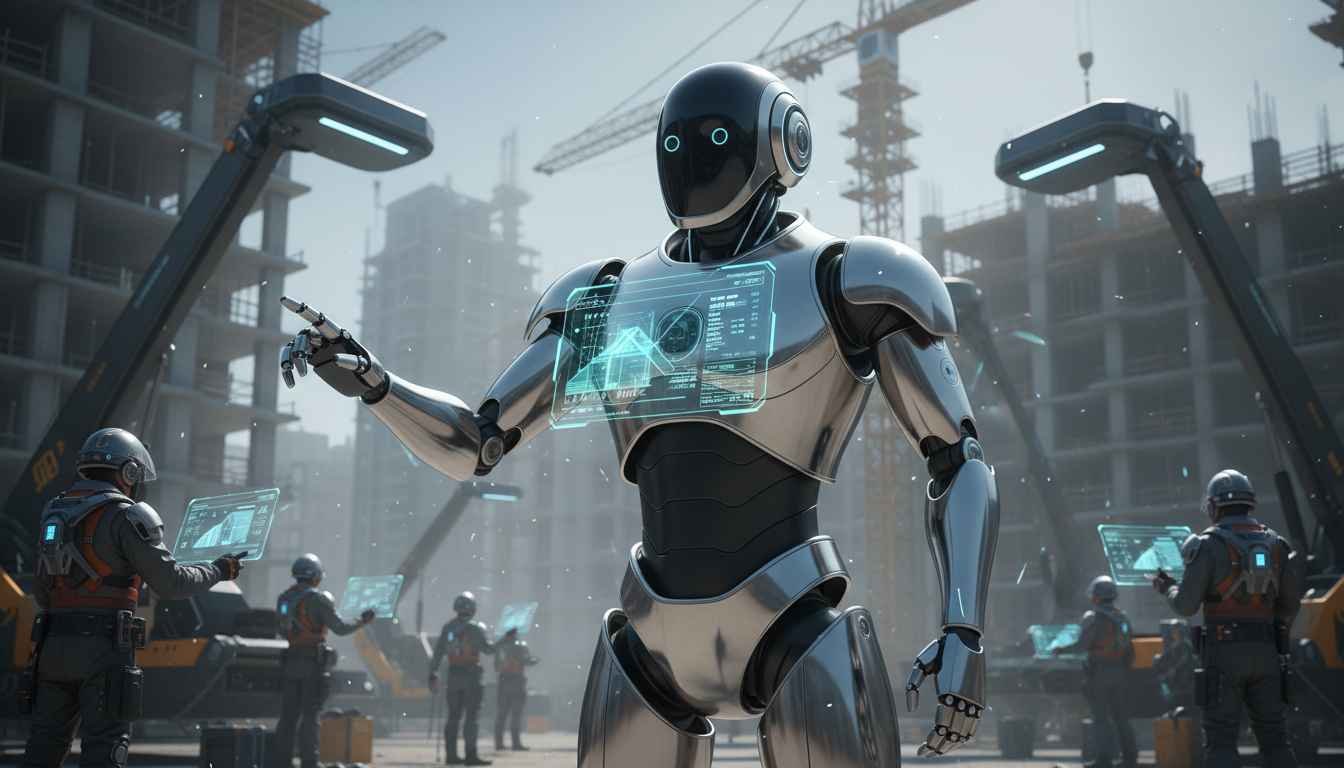
The Unstoppable Rise of AI in Modern Classrooms
There is a seismic shift happening right now in classrooms around the world, and those who move quickly will define the future of education. The integration of AI tools is not just a passing trend; it is the heartbeat of tomorrow’s learning landscape. Teachers who embrace this transformation today are positioning themselves at the cutting edge of pedagogy, while those who hesitate risk being left behind in a world that is accelerating faster than ever before. The classrooms that harness the power of artificial intelligence are already witnessing improved engagement, dynamic customization, and explosive growth in student curiosity. With AI-powered systems analyzing student performance, predicting knowledge gaps, and crafting personalized learning paths, the walls of traditional instruction are dissolving into something vividly alive and interactive. This isn’t an abstract promise – it’s happening now. Major institutions and forward-thinking educators are adopting tools that understand, adapt, and respond in real time. As the global demand for adaptive education rises, those who understand how to integrate AI effectively will hold the keys to relevance and opportunity. The sense of urgency is palpable, echoing through conferences, online summits, and educational networks like iaapa education, where teachers are scrambling to secure their foothold in this thrilling transformation.
Understanding the Power Behind AI Tools in Education
Artificial intelligence is no longer confined to Silicon Valley or research labs – it has seeped into the very fabric of classroom instruction. Imagine walking into a classroom where lesson plans adjust automatically based on student comprehension, where grading is instantaneous and unbiased, and where language barriers dissolve through real-time translation. These aren’t futuristic fantasies – they’re daily realities powered by machine learning, natural language processing, and predictive analytics. AI tools can process thousands of data points per student, creating a digital fingerprint of their learning behavior. This data transforms how teachers plan, assess, and deliver instruction. With iaapa education initiatives gaining traction, schools worldwide are investing in verified AI platforms with strict licensing, transparent data security policies, and responsive customer service to protect educators and students alike. By integrating AI ethically and intelligently, teachers can reclaim hours lost to administrative tasks, redirecting their energy toward what truly matters – human connection, creativity, and growth. The time to adopt is now, while the technology remains in its early competitive phase. Those who wait for “the perfect time” will find themselves struggling to catch up as districts and education systems rush toward full-scale AI adoption.
Transforming Lesson Planning Through Intelligent Assistance
One of the most immediate ways teachers can integrate AI into their daily practice is through lesson planning. AI-driven planning tools can analyze curriculum standards, learning objectives, and even individual student performance data to automatically generate lesson structures, assessment items, and interactive exercises. Teachers using AI-powered assistants have reported saving hours of preparation time each week while maintaining higher levels of creativity and flexibility in their lessons. Imagine typing a single concept – like “photosynthesis” – into an AI planner and instantly receiving multiple differentiated lesson versions for visual, auditory, and kinesthetic learners. Through platforms highlighted in iaapa education discussions, these tools also suggest up-to-date multimedia resources, align activities to national standards, and recommend formative assessments that match your students’ unique learning needs. This creates a ripple effect of productivity and innovation, freeing teachers to focus on mentorship and individualized guidance. The speed, accuracy, and adaptability of these systems create a sense of urgency: every moment spent without leveraging them is time lost in an increasingly digital race. Teachers who start now are already witnessing their classrooms transform into ecosystems of living, breathing, adaptive intelligence.
Engaging Students with AI-Enhanced Interactivity
Imagine a classroom where students’ faces light up with fascination as AI tools dynamically adjust challenges, games, and discussions based on real-time feedback. The monotony of one-size-fits-all teaching dissolves into an electrifying blend of personalization and discovery. AI-powered platforms can track students’ emotions, engagement levels, and comprehension patterns, allowing teachers to intervene precisely when needed. In interactive learning apps promoted within iaapa education circles, students experience gamified quizzes, virtual simulations, and intelligent chatbots that serve as tireless tutors. Each interaction becomes a data-driven learning opportunity, ensuring no student slips through unnoticed. The results are tangible: boosted motivation, measurable retention gains, and renewed classroom energy. Teachers describe a renewed spark as lessons that once felt routine now feel like immersive journeys. The fear of missing out is real – schools already implementing these tools are reporting attendance improvements and stronger student-teacher relationships. In a digital world where attention is the most valuable currency, AI ensures that learning remains captivating, relevant, and unforgettable.
Personalizing Learning Paths for Every Student
Every student learns differently, yet traditional education often forces everyone through the same funnel. AI demolishes that barrier with astonishing precision. By analyzing test scores, engagement data, and behavioral cues, intelligent learning systems craft individualized pathways that evolve continuously. This personalized learning ensures that high-achievers are challenged while struggling learners receive the support they need at exactly the right moment. Schools involved in iaapa education programs are already reporting how AI-driven adaptive learning platforms increase pass rates and reduce dropout rates. Teachers can visualize each student’s progress in dashboards rich with actionable insights, identifying patterns that might have gone unnoticed for months. AI doesn’t replace teachers – it amplifies their ability to reach every learner effectively. The sense of empowerment this brings is profound; no more blind guessing or generic worksheets. Instead, teachers act as strategic guides, nurturing each child’s potential with the confidence that data-driven tools stand behind their every move. Those who fail to adopt these innovations risk losing the competitive edge, as parents and students increasingly seek schools equipped with intelligent personalization technology.
Streamlining Administrative Workload and Communication
Beyond instruction, AI is revolutionizing the administrative heartbeat of schools. Attendance tracking, grading, parent communication, and scheduling can now be automated with breathtaking efficiency. Teachers who once stayed late grading can now rely on AI systems that assess essays, analyze writing tone, and even provide structured feedback. Through automation, schools save not just hours – but days – each semester. Within iaapa education initiatives, top-performing institutions are adopting secure AI management systems that handle sensitive data under strict compliance frameworks. These tools come with verified licensing and 24/7 customer service, ensuring reliability and trust. The impact extends far beyond convenience – it’s about sustainability. Teachers who embrace these technologies report lower burnout rates, higher job satisfaction, and more time for creativity and student engagement. In a world where time is the rarest commodity, AI returns that time back to educators, allowing them to focus on what truly inspires. Every school still clinging to manual systems is quietly falling behind as automation redefines educational efficiency. The window of opportunity to adopt these streamlined systems is closing quickly.
Ensuring Data Security and Ethical AI Integration
As AI seeps deeper into classrooms, ethical integration becomes non-negotiable. Responsible educators must prioritize verified, secure, and licensed AI platforms. Within the trusted network of iaapa education, schools are advised to partner only with providers that comply with international data protection laws such as GDPR and COPPA. Teachers should always choose AI tools that use encrypted storage, transparent data policies, and clear consent protocols. The best AI vendors now publish independent audits and maintain responsive customer service to address security concerns promptly. Ethical AI is not just a moral stance – it’s a competitive advantage. Schools that prove they handle data responsibly build stronger trust with parents and stakeholders. Moreover, as regulations tighten globally, compliance will no longer be optional. The urgency to adapt is critical. Teachers who familiarize themselves now with ethical integration practices will be ahead of policy shifts and future-proof their classrooms. Ethical AI use ensures that innovation and integrity move hand-in-hand, guaranteeing a sustainable and secure future for education powered by technology.
Training and Professional Development for Teachers
Integrating AI successfully depends on one key factor: empowered educators. Schools must invest in professional development programs that train teachers to harness these new tools confidently. Conferences and workshops under the iaapa education umbrella are offering hands-on sessions, certification programs, and mentorship networks dedicated to AI literacy in teaching. Teachers who once felt intimidated by technology are discovering newfound confidence as they learn to use chatbots for student support, AI analytics for tracking progress, and content generators for creative brainstorming. Professional training ensures that AI isn’t seen as a threat but as a trusted co-teacher. With every new skill mastered, teachers elevate their value and relevance in an evolving industry. The urgency is undeniable – those who learn now will become tomorrow’s educational leaders, while late adopters risk obsolescence in systems increasingly driven by data intelligence. The movement is growing fast, and the call to action is clear: get trained, get certified, and get ahead.
Real-World Success Stories and Future Opportunities
The evidence of AI’s transformative power is everywhere. Schools participating in iaapa education programs report significant improvements in student outcomes, teacher satisfaction, and community engagement. In one case, a high school in Singapore implemented AI-driven analytics and saw a 35% rise in student test scores within a single term. In another, a U.S. district introduced automated essay feedback tools and cut grading time by 70%. These are not isolated triumphs – they represent the accelerating wave of opportunity awaiting those who act now. AI integration is also opening new global collaborations, connecting classrooms across continents through language translation and shared digital projects. The next frontier is immersive AI-driven virtual learning environments, where students will experience history, science, and art as living, responsive simulations. Teachers who step into this space today will shape the future curriculum of the next generation. There has never been a better moment to align with cutting-edge AI adoption, secure your role as a digital pioneer, and join the ranks of educators redefining the world through intelligence and innovation.
Taking Action Now: Your Path to the Future of Education
The clock is ticking, and the educational revolution waits for no one. Teachers who act decisively today will be the architects of tomorrow’s learning ecosystems. Partner with reputable AI platforms, join professional networks like iaapa education, and start experimenting with intelligent lesson design tools immediately. Begin by introducing one AI tool into your classroom this month – an adaptive quiz system, a chatbot tutor, or an automated grading platform – and watch the transformation unfold. The sense of urgency is justified because opportunity gaps are widening rapidly between schools that adopt and those that delay. By taking proactive steps now, you are not just enhancing your teaching – you are securing your professional future in an era where data-driven innovation defines educational excellence. Remember: every moment you wait, someone else is mastering the tools that will shape the next generation of learners. Act today, integrate intelligently, and let AI amplify your impact in ways you never imagined possible.
To learn more about how innovative technologies can transform school operations and promote liberated education, explore our comprehensive list of top EdTech tools designed to streamline administrative tasks.
If you want to understand the intersection of technology and teaching, explore how it enhances areas like physical education Spanish, ultimately driving improved student outcomes.