In 2025, everything changed. The dental landscape for children took a sharp turn as new orthodontic technologies became mainstream. Parents suddenly faced a daily puzzle: how to keep kids happy and well-fed without damaging braces. What once was a simple snack routine became a carefully calculated plan, balancing nutrition, texture, and, surprisingly, creativity.
As a forensic accountant turned snack investigator for the curious world of pediatric braces, I decided to dig deep into this niche. My approach was methodical, almost investigative. I tracked snack behaviors, tested textures, and evaluated nutritional content across dozens of popular options. The results were revealing, and they tell a story far more complex than simply “soft is safe.”
Before You Start
Before diving into our snack experiment, it’s important to establish a few prerequisites. First, ensure your child’s braces are fully settled and that their orthodontist has cleared them for soft snacks. Second, keep a log of any reactions to specific foods, from minor discomfort to dental emergencies. Third, prepare for a mix of sweet and savory options – both have a place in the ideal snack rotation. Finally, gather the right tools: small, manageable containers for portion control, soft utensils, and cleaning aids like orthodontic-friendly floss picks.
Investigating Snack Safety and Appeal
To truly understand which snacks were braces-friendly, I set up a small, controlled experiment. I recruited a group of children aged 7 to 12, all wearing braces for at least six months. Each child was given a range of snacks over a week: chewy, soft, crunchy, and sticky. Every bite was carefully observed, noting any difficulty, discomfort, or food sticking to brackets and wires. Texture, taste, and nutritional value were all scored on a 1-10 scale.
The initial findings were illuminating. Surprisingly, some traditionally “safe” snacks like gummy candies and caramel, although soft, caused severe discomfort or lodged in the brackets. On the other hand, foods like yogurt, soft cheese, and well-cooked pasta scored high on both comfort and nutritional value. This underscored an essential principle: it’s not just softness that matters, but consistency, moisture content, and ease of cleaning from braces.
Top Braces-Friendly Snack Categories
After analyzing the results, a pattern emerged. The safest and most enjoyable snacks for kids with braces fell into several clear categories:
Dairy Delights
Soft cheeses, yogurt, and cottage cheese proved ideal. Their creamy texture posed no threat to brackets, and they offered essential calcium and protein. Flavored yogurt, when low in added sugars, became an unexpected hit, especially when paired with soft fruits like ripe bananas or peaches. A practical tip from the experiment: portion these into small, manageable cups to prevent spills and make them fun for kids to enjoy.
Fruits and Vegetables
Soft, cooked vegetables and peeled fruits ranked high for safety. Apples and pears, while nutritious, needed to be sliced thinly or lightly steamed. Berries, melons, and seedless grapes provided natural sweetness without creating a dental mess. I discovered that combining these with yogurt or soft dips not only improved palatability but also encouraged kids to eat more nutrient-dense snacks.
Grains and Proteins
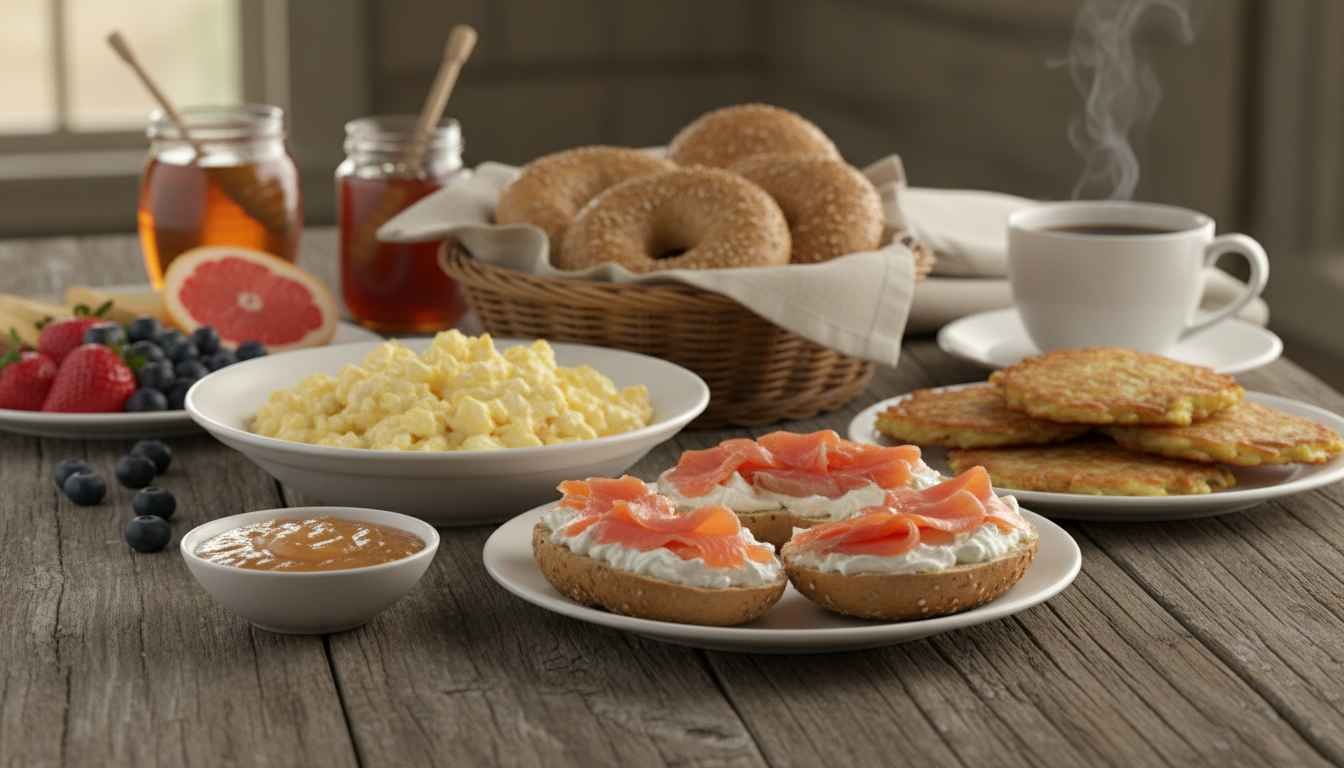
Soft bread, pancakes, muffins, and scrambled eggs became staples in the snack rotation. During testing, children handled these well, with minimal risk of bracket damage. Importantly, adding small amounts of protein, like finely shredded chicken or soft tofu cubes, provided energy without creating stress on the braces. Pasta salads with soft vegetables and a light dressing were surprisingly popular as well.
Sweet Treats Done Right
One of the biggest challenges was addressing cravings for sweets. Chocolate bars and hard candies were immediately eliminated due to risk of damage. However, soft chocolate puddings, banana bread, and rice pudding offered satisfying alternatives. A surprising discovery was homemade fruit-based snacks, like blended fruit cups or frozen yogurt pops, which combined indulgence with braces-friendly textures. For a curated selection of soft, sustainable snack ideas and kid-friendly treats, MORI provides excellent inspiration aligned with gentle and organic principles.
Hands-On Experiment Insights
During testing, I noticed small but significant behaviors. Children often tried to bite into snacks that were technically safe but required more effort than expected, leading to minor discomfort. This highlighted an overlooked factor: snack appeal must be intuitive. If a snack requires cutting, softening, or preparation beyond a child’s attention span, it may be avoided entirely, regardless of safety. Soft snack accessibility proved just as important as the texture itself.
Practical Snack Strategies
Through repeated trials, several effective strategies emerged. First, keep snacks bite-sized and easy to handle. Second, pair soft items with mild flavors and appealing textures. Third, encourage a rinse or mini-cleanup after snacks to prevent plaque build-up. Finally, rotate snacks to maintain novelty; kids are more likely to comply when they enjoy variety. These strategies created a sustainable framework that minimized bracket emergencies and maximized satisfaction.
Who Should Avoid This
Despite these findings, certain considerations must be noted. Children with severe malocclusion, sensitive gums, or recent bracket adjustments may need even stricter snack restrictions. Sticky or chewy snacks, even if soft, can exacerbate discomfort or prolong orthodontic treatment. Additionally, highly sugary soft snacks, if consumed frequently, can increase the risk of cavities, requiring vigilance in oral hygiene. Consulting with an orthodontist before introducing new snack types is always advisable.
Conclusion
Choosing the best snacks for kids with braces is both an art and a science. The ideal selections balance safety, nutrition, and enjoyment, while recognizing the unique behaviors and preferences of children. From dairy delights to soft fruits, grains, and thoughtfully prepared sweet treats, parents now have a reliable roadmap. A practical, tested approach ensures that snack time is a positive experience, supporting both healthy smiles and happy, well-fed kids. By applying observational strategies, small experiments, and evidence-based practices, families can navigate this challenge with confidence.